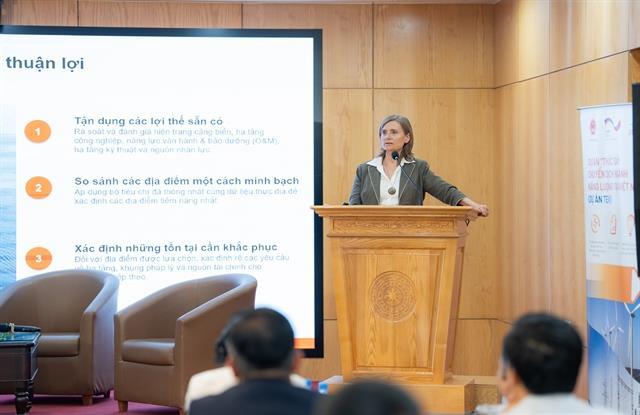
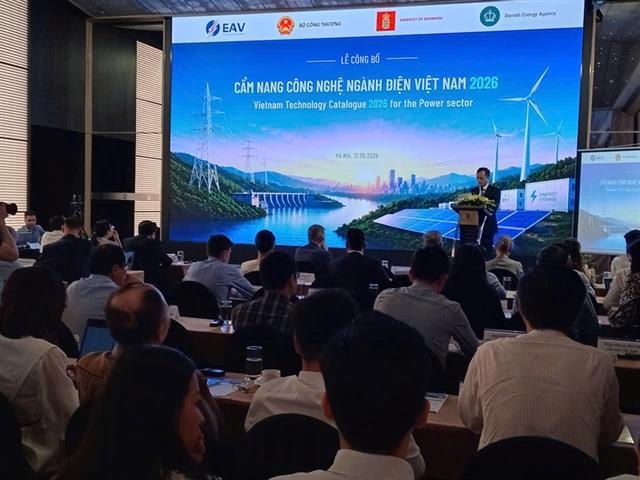
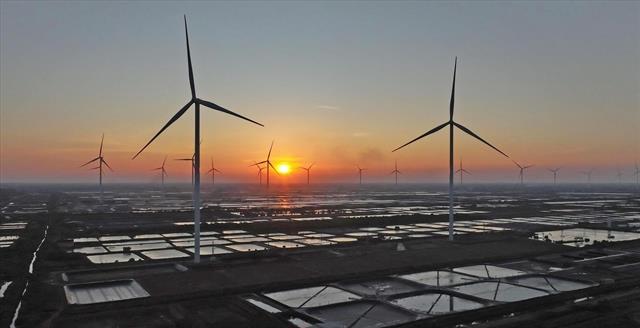
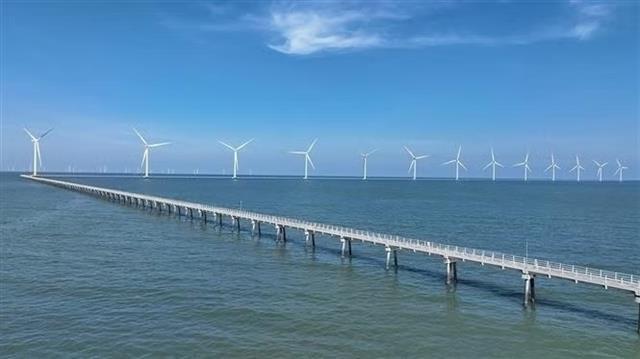
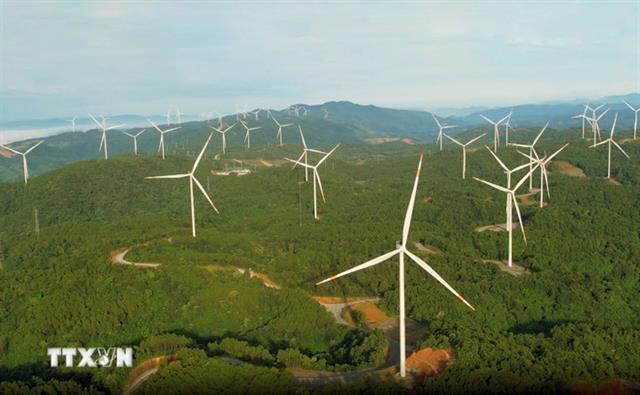
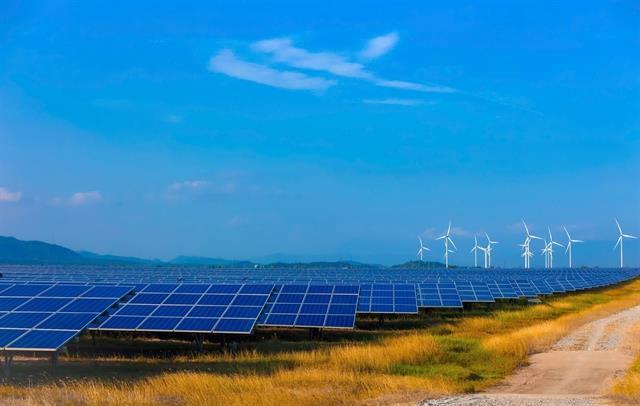
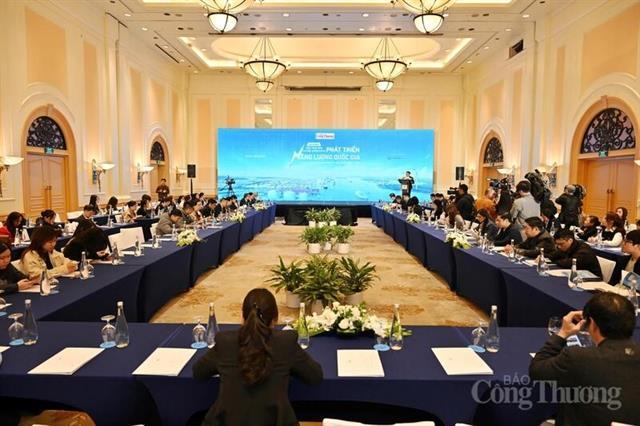
Organised by the Vietnam Chamber of Commerce and Industry (VCCI) and Diễn Đàn Doanh Nghiệp (Business Forum) magazine, the event gathered policymakers and industry representatives to discuss how to accelerate renewable energy adoption and ensure stable power supply.
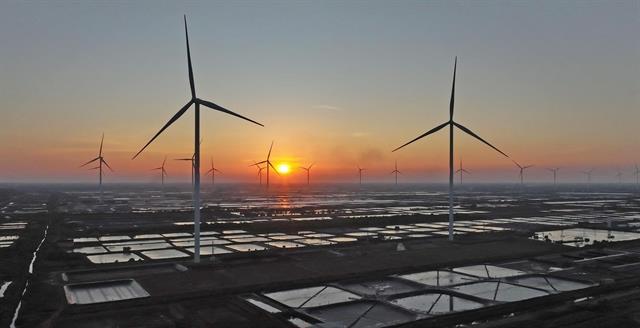
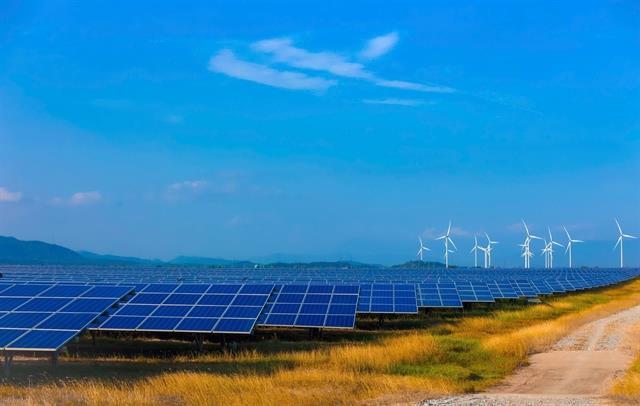
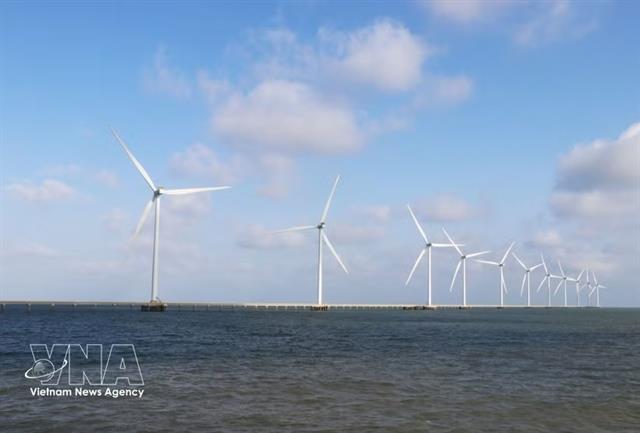
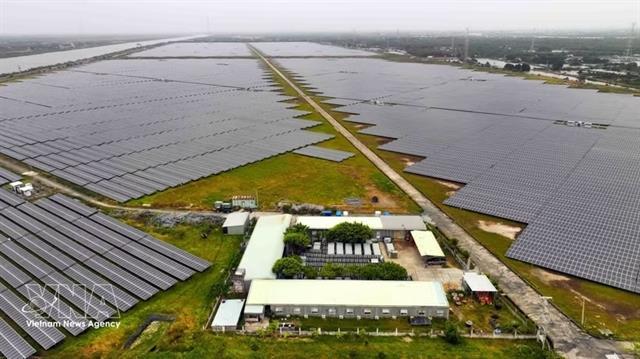
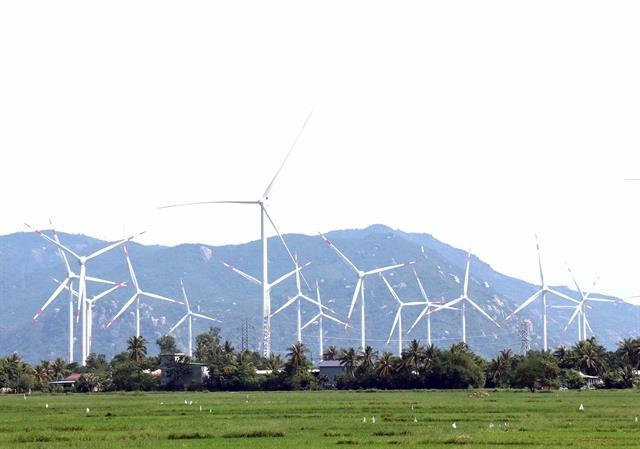
Việt Nam will strive to increase the proportion of renewable energy sources to approximately 47 per cent of the country’s total electricity capacity by 2030.
Việt Nam has raised its economic growth target to double-digit growth during 2026–30, which has altered energy demand projections and requires revisions to the national energy plan to safeguard energy supply for the economy.
Việt Nam needs to step up international cooperation to accelerate its energy transition as the country faces rising electricity demand, experts said at a conference held by the Institute for Brand and Competitive Strategy on Tuesday in Hà Nội.
The study also found that the revised PDP8 has a more efficient investment structure and reasonable development orientation than the global benchmarks based on reports of the International Energy Agency.
The draft resolution encourages private enterprises to participate in SMR development to supply electricity for industrial projects such as steel plants, petrochemical complexes, and data centres.
Deputy Prime Minister Bùi Thanh Sơn at a conference on Thursday asked strict penalties to be raised against developers of stagnant power projects to prevent setbacks from threating the national energy security.
Việt Nam is undergoing rapid change amid the Industry 4.0 and facing global challenges such as pollution, climate change, energy insecurity, and resource depletion.
The plan aims to fully meet domestic electricity demand, supporting national socio-economic development with an average annual GDP growth rate of around 10 per cent from 2026 to 2030, and 7.5 per cent from 2031 to 2050.
Out of a total $12 billion financial commitment for energy transition projects in Việt Nam, HSBC has so far executed transactions accounting for approximately 22 per cent.